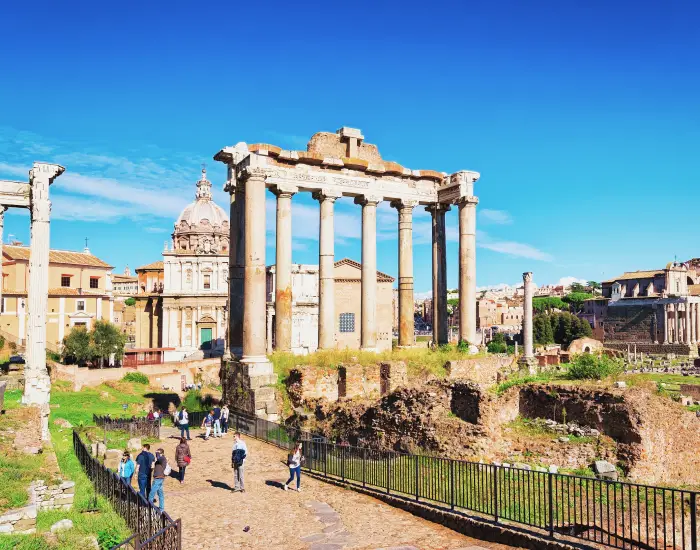
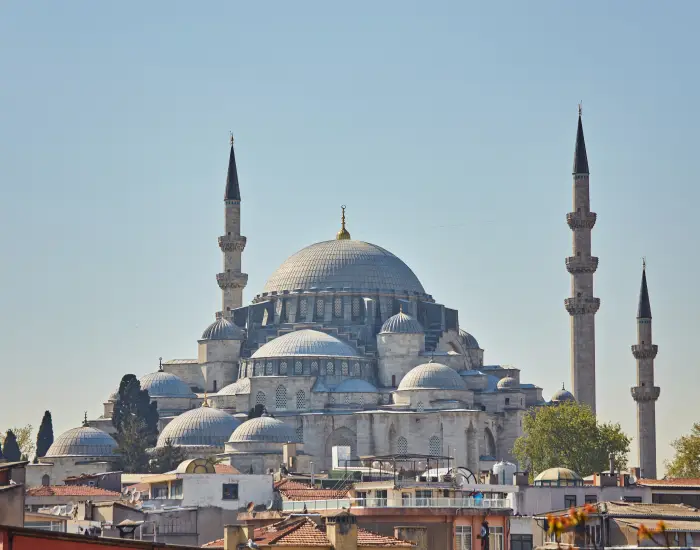
Paris, known as the “City of Light” (La Ville Lumière), is the capital of France and one of the most romantic and iconic cities in the world. Known for its timeless architecture, world-class museums, charming streets, rich history, and exquisite cuisine, Paris is a must-visit destination for travelers from around the globe. Globally recognized as a fashion capital, Paris is the birthplace of haute couture and luxury brands like Chanel, Louis Vuitton, and Dior.
Perfect For: Festival lovers, families, nightlife explorers
Autumn (Sep to Nov)
Weather: 0–18°C / 50–64°F
Highlights:
Golden parks, wine season.
Fewer tourists, great photos.
Fashion Week buzz.
Photographers, solo travelers, wine lovers
Winter (Dec to Feb)
Weather: 3–8°C / 37–46°F
Highlights:
Christmas markets, cozy cafés.
Fewer crowds, better deals.
Occasional snow = pure magic.
Budget travelers, romantics, festive moods
Questions & Answer
We’re committed to offering more than just products—we provide exceptional experiences.
A travel agency typically provides a wide range of services to ensure a smooth and enjoyable travel experience. As like- Hotel booking, Flight Booking, Visa & Customized Travel Pakcge etc.
Absolutely! We offer fully customized travel packages based on your interests, budget, and schedule. Whether you're planning a solo adventure, a family vacation, a romantic getaway, or a group tour, our team will tailor every detail to create a personalized travel experience just for you.
Yes, you can! We provide the flexibility to book flights, hotels, and tours separately based on your specific needs. Whether you need just a flight, only accommodation, or want to add a tour later — we’re here to help you plan each part of your trip your way.
Yes, we do! Our team offers complete visa assistance services to help you navigate the application process smoothly. From providing guidance on required documents to scheduling appointments and submitting applications, we're here to support you every step of the way.
We accept a variety of payment methods to make your booking process easy and convenient. These include cash, bank transfers, mobile payments (such as bKash, Nagad), and major debit/credit cards. If you have a preferred payment option, feel free to let us know!
3 Tours Available in Paris
A curated list of the most popular travel packages based on different destinations.